Direction starts with focus.
I frame the right problem, connect fragmented experiences into a coherent product model, and make strategic trade-offs explicit. The result is a clear, shared direction teams can execute.
HOW I LEAD
Complexity is inevitable. I create direction from ambiguity, bring people together around shared decisions, and calibrate judgment through evidence and critique. My goal isn’t just to move projects forward, but to build teams that can sustain momentum.
Direction creates clarity. Cohesion brings people together. Calibration sharpens decisions. Together, they help teams navigate complexity and sustain momentum.
I frame the right problem, connect fragmented experiences into a coherent product model, and make strategic trade-offs explicit. The result is a clear, shared direction teams can execute.
I frame the right problem, connect fragmented experiences into a coherent product model, and make strategic trade-offs explicit. The result is a clear, shared direction teams can execute.
Business Challenge
Competing priorities. Fragmented experiences. No shared product direction.
Strategic Questions
Are we solving the right problem?
How do the pieces fit together?
What matters most, and when?
Methods & Tools
Problem Framing
Research synthesis, opportunity mapping
System Mapping
Journey mapping, experience architecture
Prioritization
Trade-offs, scenario planning
What It Enables
Shared problem definition and success criteria
Coherent product model and experience vision
Clear priorities and phased execution
Featured proof

Neo Advance had to set patterns for future lending products before they existed. I created a shared model for entry points, account IA, and core journeys—unlocking decisions that had stalled the team.
2 DAYS · 3 PRODUCT LEADS · 2 FOUNDERS
Scientists faced fragmented experiment workflows. I interviewed computational chemists, mapped where human judgment mattered, and defined a copilot model: AI proposes the plan while scientists retain control.
6 WEEKS · 4 SCIENTISTS · 6 HYPOTHESES
Strong teams need both alignment and trust. I create the conditions for people to work through disagreement, build shared ownership, strengthen their judgment, and grow together over time.
Strong teams need both alignment and trust. I create the conditions for people to work through disagreement, build shared ownership, strengthen their judgment, and grow together over time.
Business Challenge
Competing priorities. Feedback tied to one manager. Friction that goes unspoken.
Strategic Questions
Where do priorities collide?
Do people feel safe to disagree?
Who owns the outcome together?
How do we raise the bar together?
Who is ready for a bigger problem?
How do we work better next time?
Methods & Tools
Alignment
Explicit trade-offs, shared priorities
Team Culture
Trust, safety, shared expectations
Team Building
Rituals, working norms
Design Critique
Shared criteria, peer feedback
Growth & Coaching
Growth tracker, stretch scope
Retrospectives
Friction surfaced, practices improved
What It Enables
Trade-offs teams can defend
Disagreement that moves work forward
Shared ownership beyond one meeting
Shared judgment that doesn’t wait on the manager
Designers leading ambiguous, higher-impact work
A team that keeps getting stronger
Featured proof

Marketing, Product, and Engineering pushed conflicting credit-progression directions. I reframed the debate around the end-to-end journey and aligned stakeholders in 2 days.
2 DAYS · 3 FUNCTIONS · 1 DIRECTION
Content, pricing, and product roles needed a coherent streaming workflow. I turned interviews into a job map, led a PM/UX workshop, and shaped an IA supporting ownership and cross-role handoffs.
3 ROLES · JOB MAP · SHARED IA
Strong decisions improve when they are tested against evidence. I use research, user insight, behavioral signals, validation, and iteration to challenge assumptions, advocate for users, and keep the team learning as the product evolves.
Strong decisions improve when they are tested against evidence. I use research, user insight, behavioral signals, validation, and iteration to challenge assumptions, advocate for users, and keep the team learning as the product evolves.
Business Challenge
Opinion-led decisions. Risks found too late. Beliefs that outlive the evidence.
Strategic Questions
Do we understand the problem yet?
What are users telling us that the room is missing?
Which assumptions could break the experience?
What is real usage telling us?
What would change our mind?
Methods & Tools
Research
Interviews, problem framing
User Advocacy
Research, feedback, friction, unmet needs
Validation
Targeted tests, tree tests
Behavioral Signals
Usage, funnels, support feedback
Iteration
Decisions as hypotheses
What It Enables
Clarity before converging
User reality stays present in important decisions
Critical risks surfaced earlier
Internal beliefs checked against reality
Judgment that improves as the product evolves
Featured proof

Two weeks before launch, testing 10 flows and 200+ screens was impractical. I triaged high-risk questions and ran 3 focused studies in 3 days to resolve critical decisions.
3 STUDIES · 3 DAYS · 200+ SCREENS
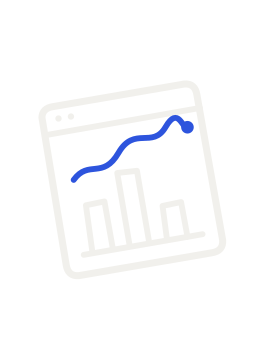
I tree-tested three IA options instead of relying on opinions. Task success improved from 54% to 87%, while average task time fell from 68s to 12s—guiding the new analytics structure.
54% → 87% SUCCESS · 68s → 12s
I believe leadership means making the people and systems around you stronger. I create clarity from ambiguity, build trust across disciplines, and help teams develop the judgment to move forward without me.
The perspectives below span four sides of my work: mentorship, strategic direction, collaboration, and analytical thinking.
MENTORSHIP — Han brings clarity to complex challenges and gives designers the support, feedback, and confidence to grow into stronger thinkers.
PEOPLE LEADERSHIP — Han combines exceptional craft with natural leadership. He guides teams through complex options by grounding decisions in user impact, business impact, and what it takes to ship.
COLLABORATION — “At Neo, he was a pillar of the design team - someone colleagues consistently turned to for clarity, support, and mentorship.”
ANALYTICAL PROBLEM-SOLVING — Han is a deep thinker with a highly analytical approach. He challenges assumptions, uncovers the structure behind complexity, and turns it into clear solutions.