The Context
The original enzyme (wild type) breaks down starch at its natural speed.

Scientists mutate the active site to alter its structure.
The mutated enzyme is tested to see if it works faster.
Loading case study…
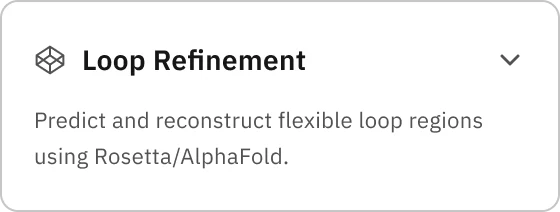
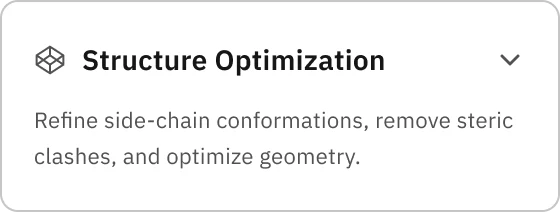
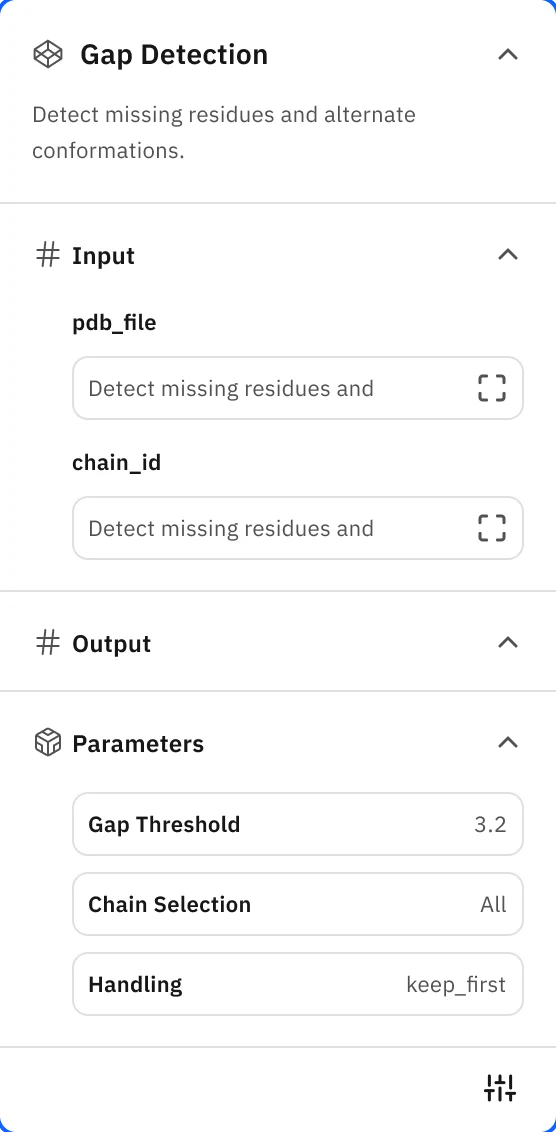
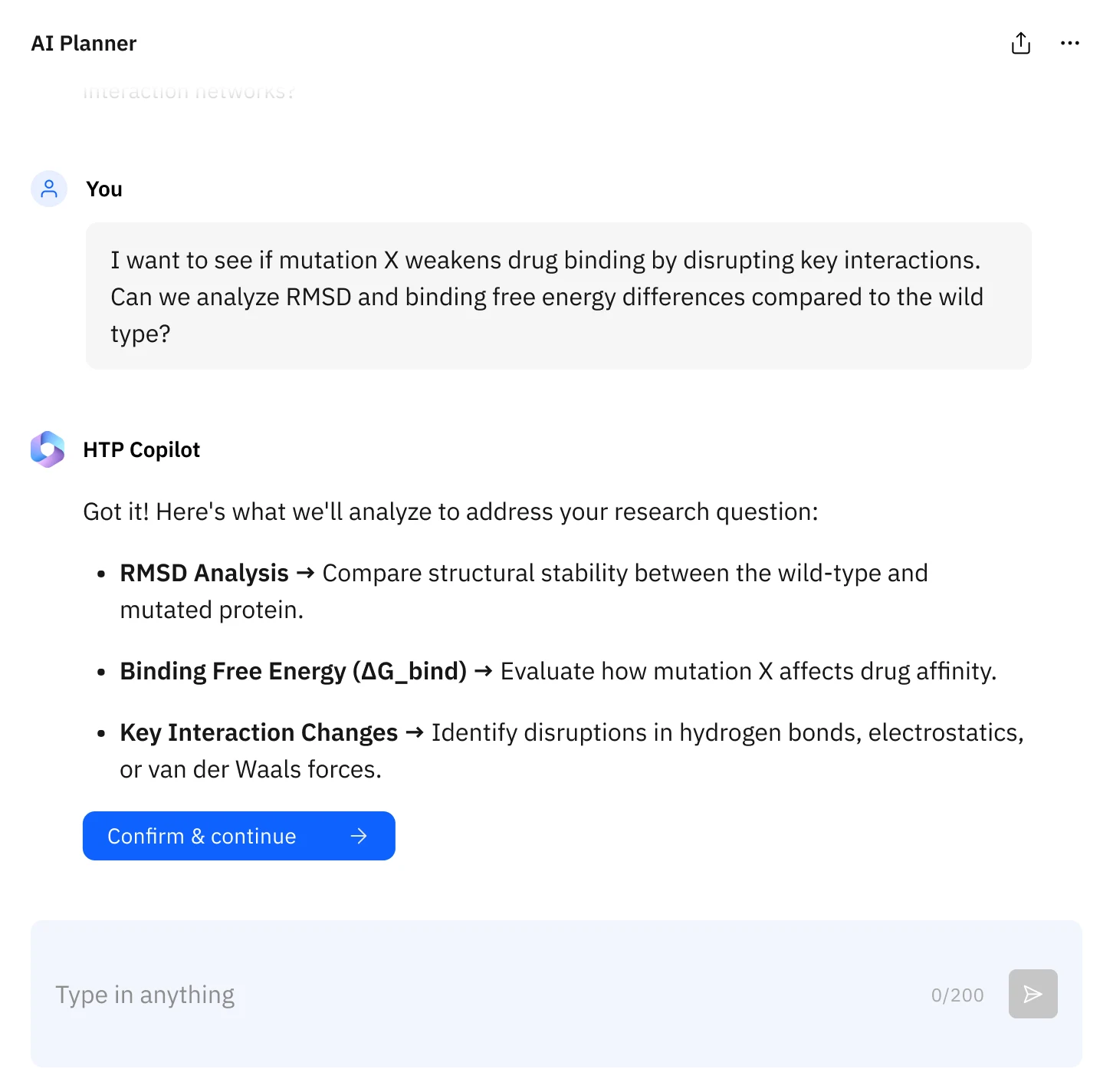
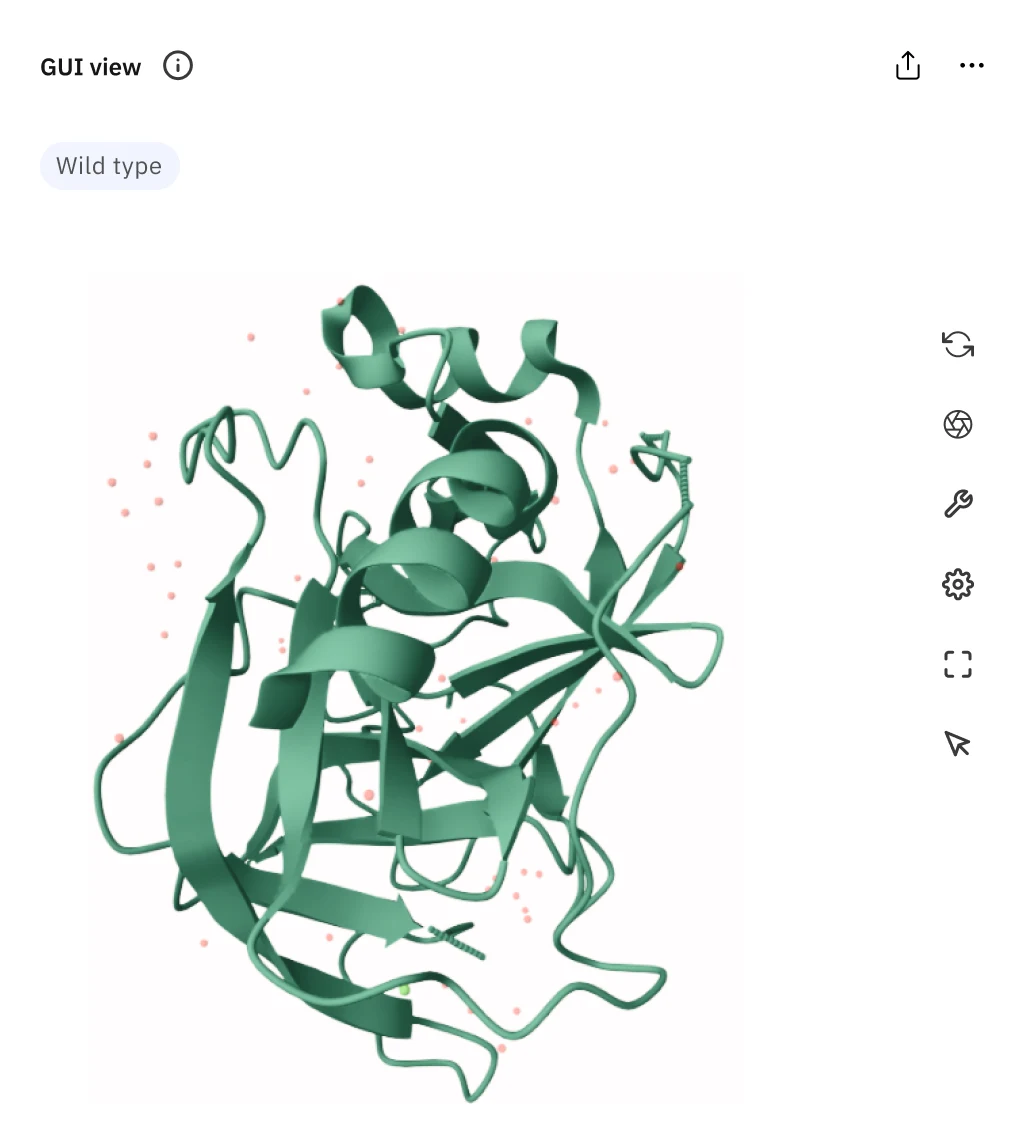
Computational chemistry tools were fragmented and difficult to use, forcing scientists to become experts in disconnected software. I led the 0→1 design of an AI-assisted research workflow that helped scientists design, run, and interpret complex experiments more efficiently.
A rapid collaboration with computational scientists from Vanderbilt University.
The Context
The original enzyme (wild type) breaks down starch at its natural speed.
Scientists mutate the active site to alter its structure.
The mutated enzyme is tested to see if it works faster.
The Opportunity
5-10 years
Development Time
~0.2%
Success Rate
~50%
Off-target Effects
Scientists create and manage experiments in one workspace, instead of stitching together separate tools.
Scientists create and manage experiments in one workspace, instead of stitching together separate tools.
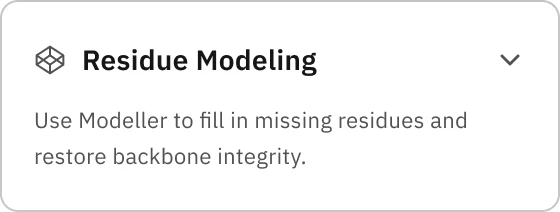
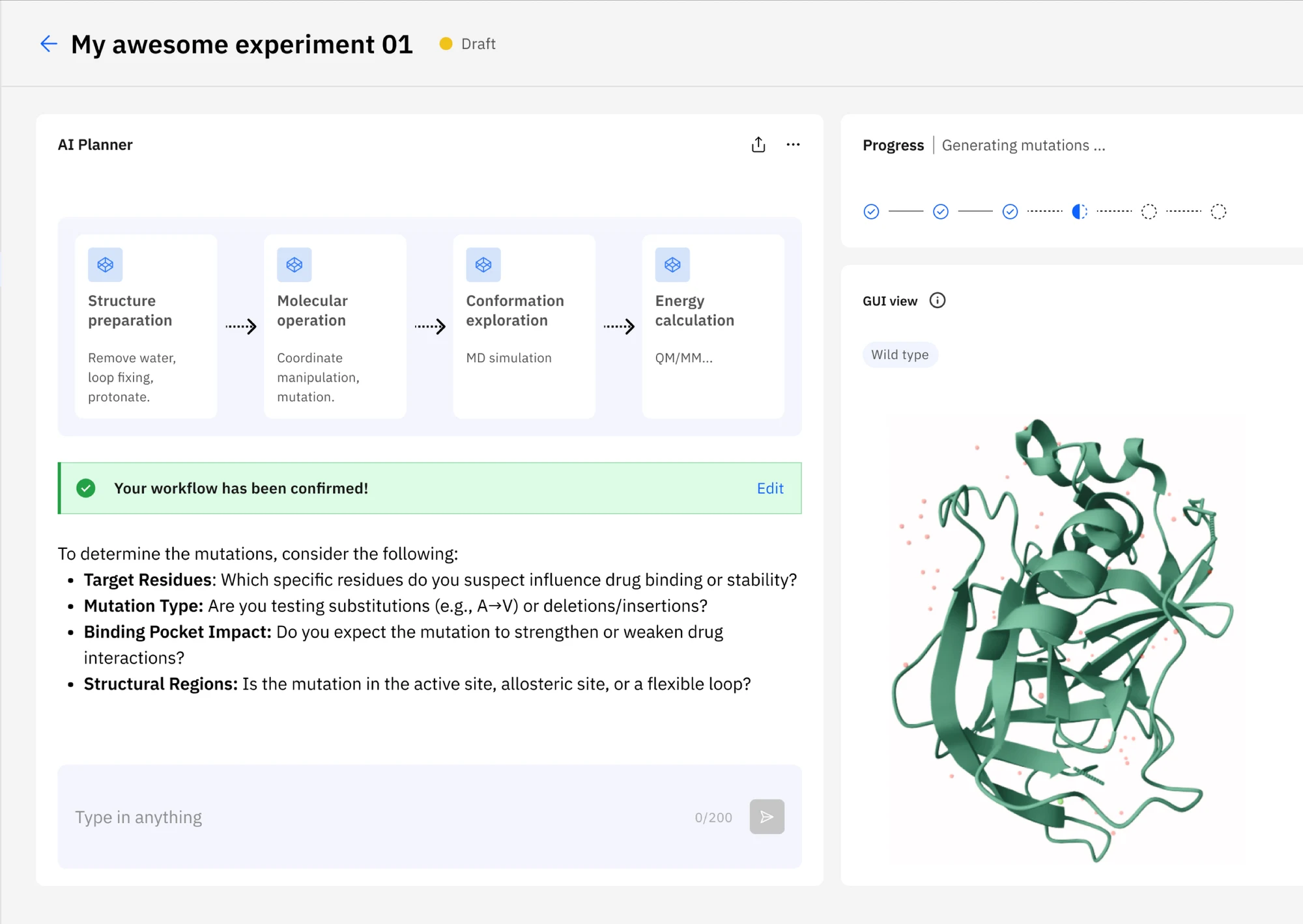
Inside an experiment, the AI works like a research partner: scientists describe the goal, and the copilot refines the plan, tools and parameters.
Scientists can still inspect and interact with the real molecular structure, so the AI never hides it behind a chat.
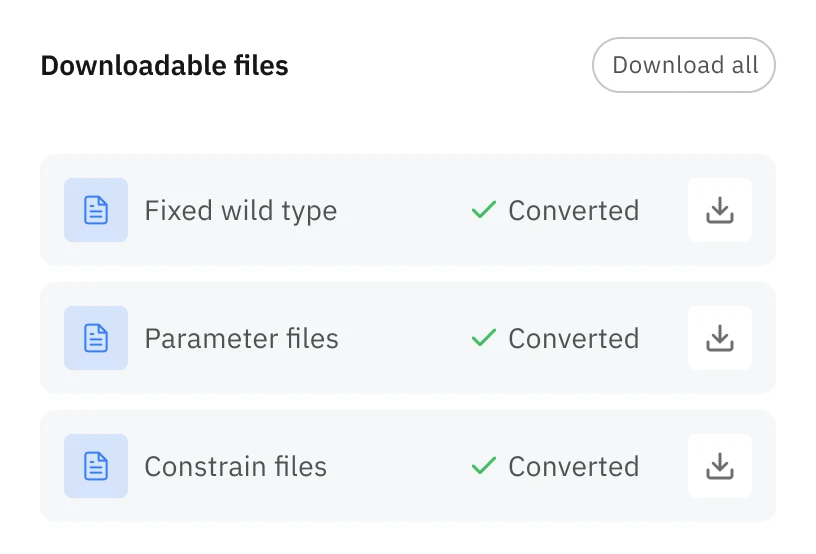
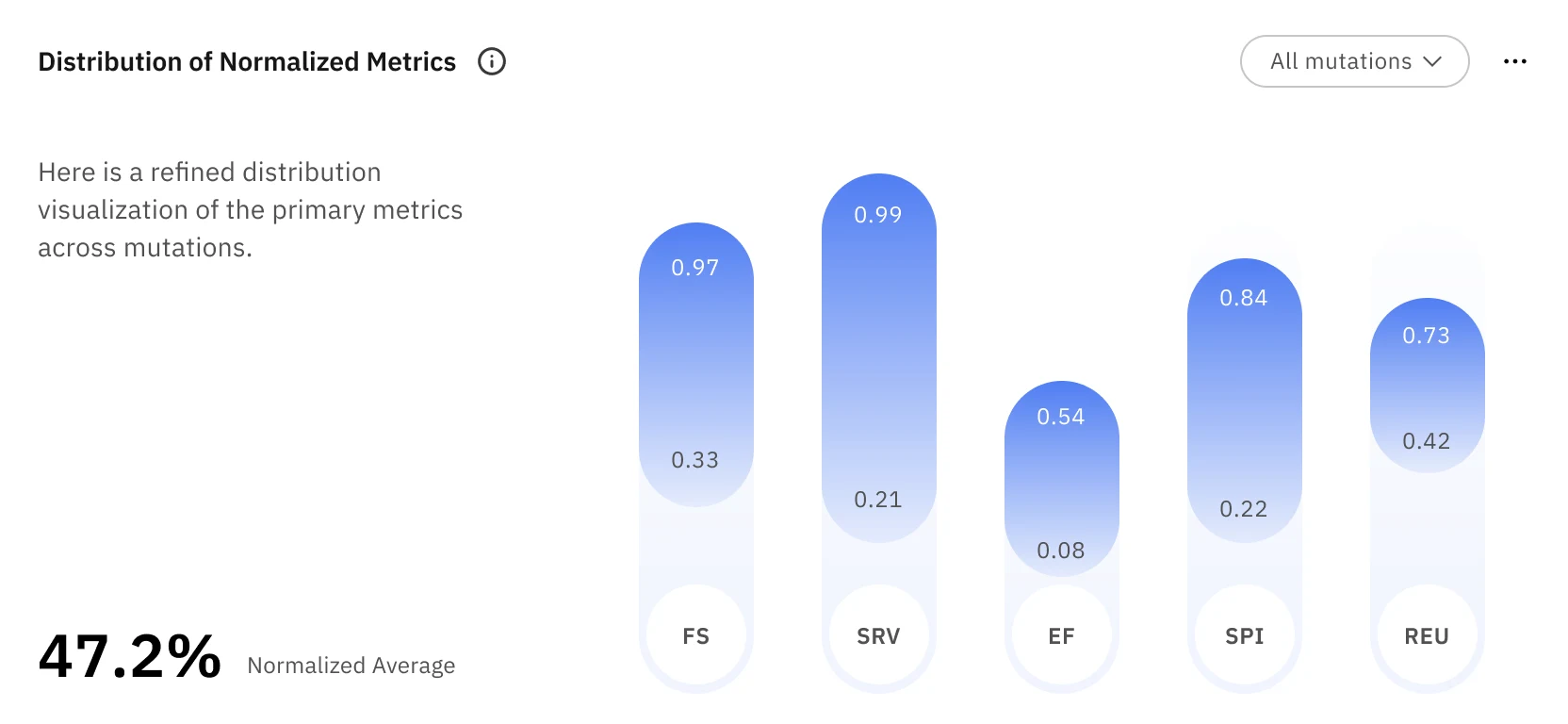
When everything is ready, scientists run the experiment and review the results once it finishes.
Story 1
Before deciding what AI should automate, I interviewed scientists and mapped their workflows to find where human judgment matters. AI helped synthesize the research and surface workflow patterns.
I used Cursor to turn six workflow hypotheses into runnable prototypes, testing different step structures, state transitions, and human–AI handoffs before converging on the final flow.
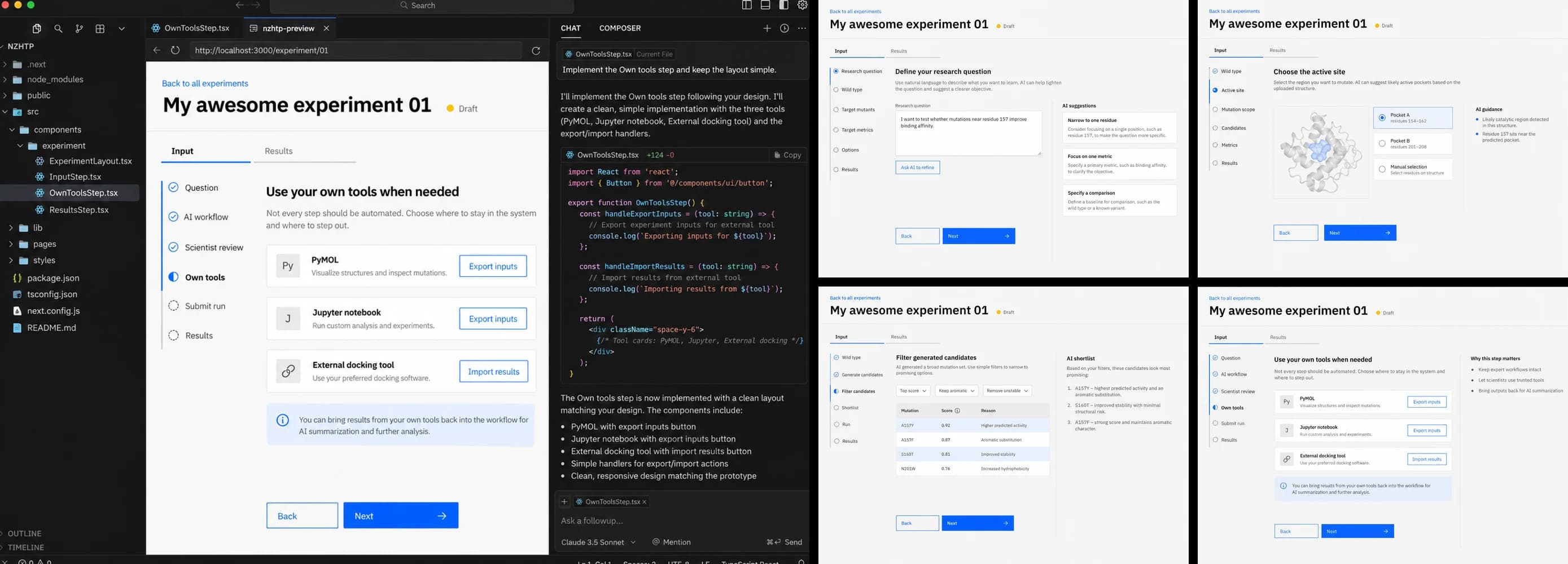
I started with a fully manual workflow, giving scientists control over every input and parameter. It was transparent, but still required them to configure each step themselves.
I started with a fully manual workflow, giving scientists control over every input and parameter. It was transparent, but still required them to configure each step themselves.
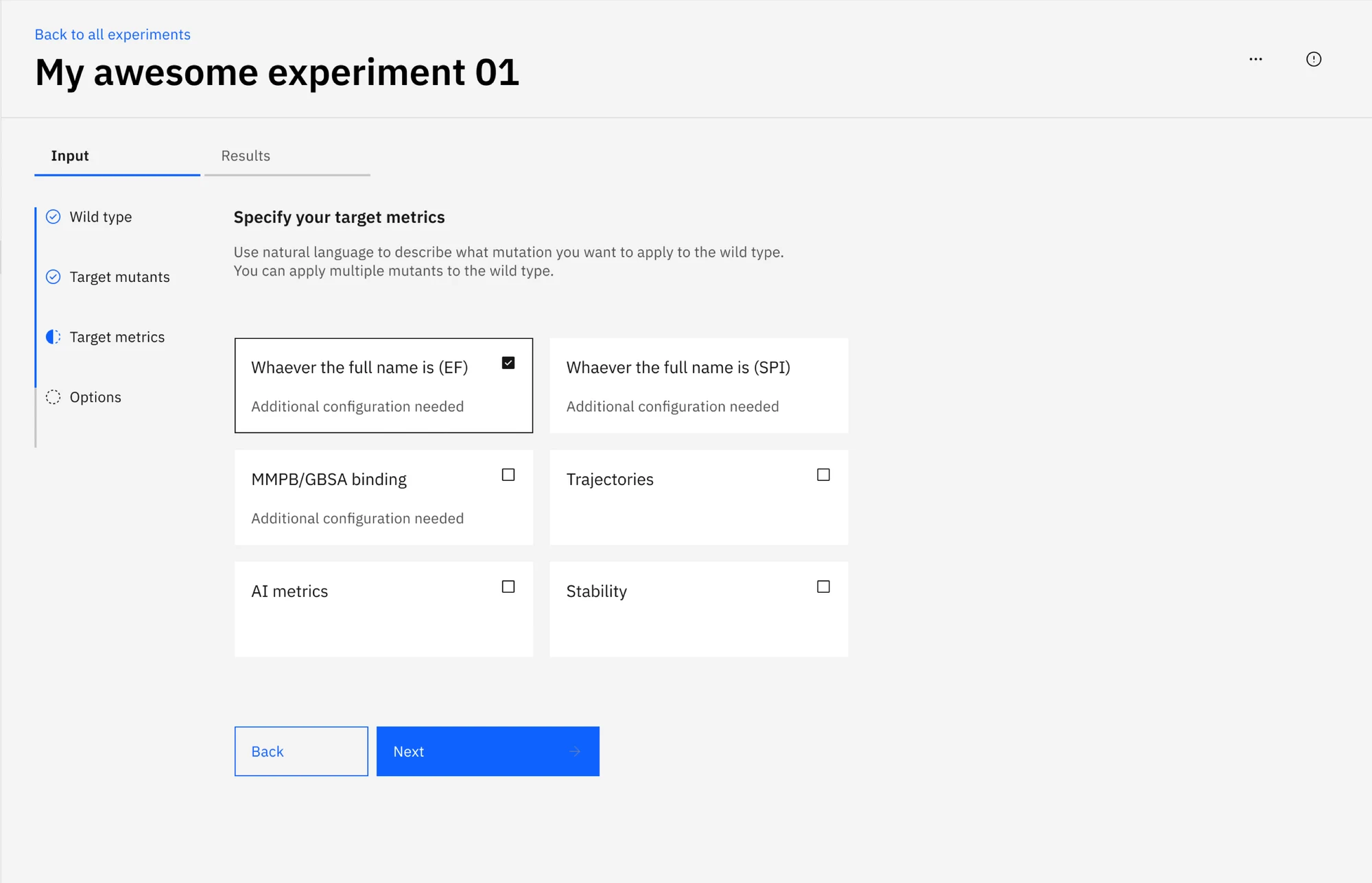
I introduced AI as a copilot, translating scientific intent into recommendations and reducing setup. The scientist still drove the workflow, but with less manual configuration.
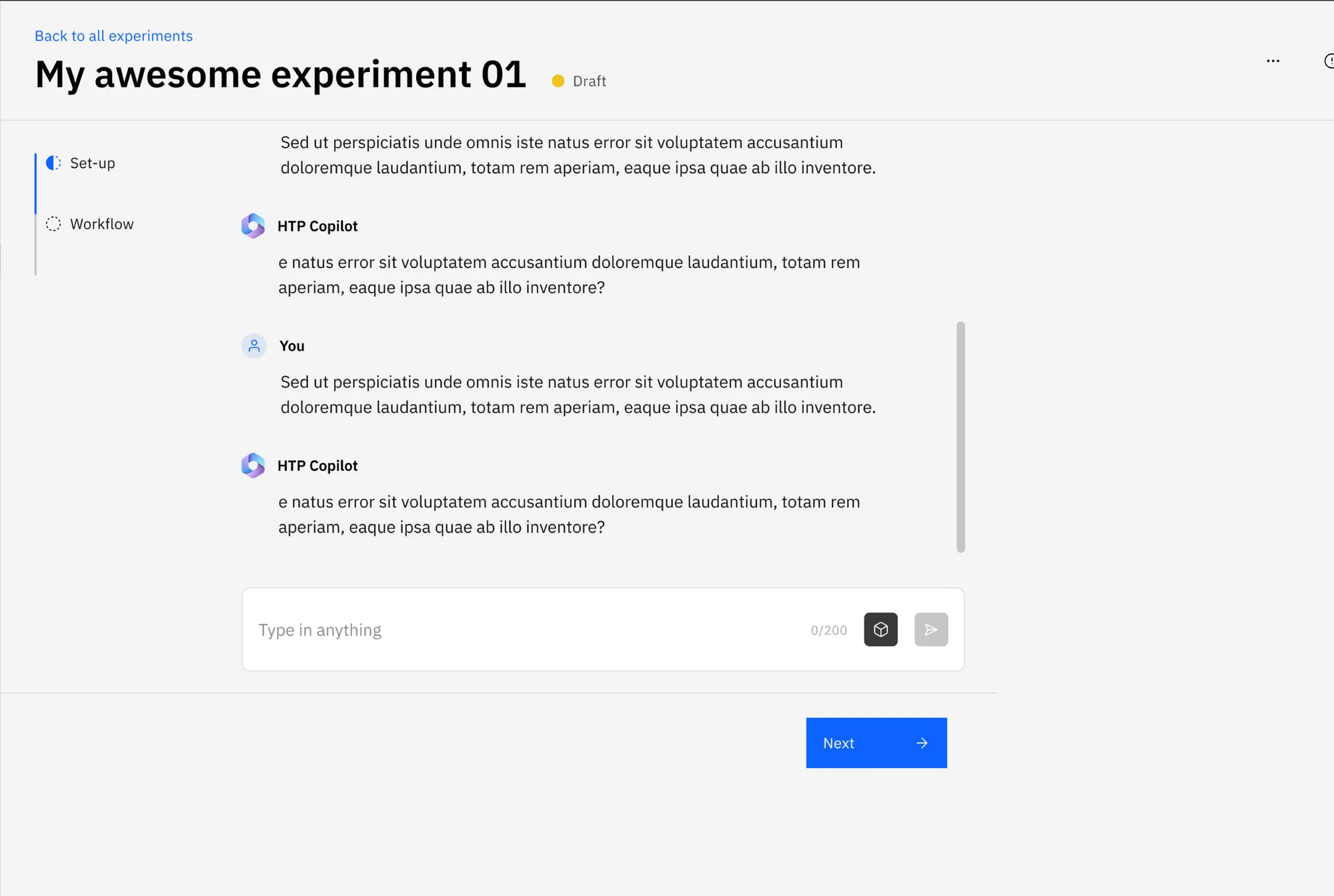
I gave AI more autonomy to propose the workflow, tools, and parameters, while scientists retained review and approval. AI handled coordination; scientists kept scientific judgment.
Story 2
As I tested the shared workflow, I found expert cases that couldn't be safely standardized. Instead of forcing them into the AI flow, I designed clear off-ramps so scientists could use their own tools and bring the results back.
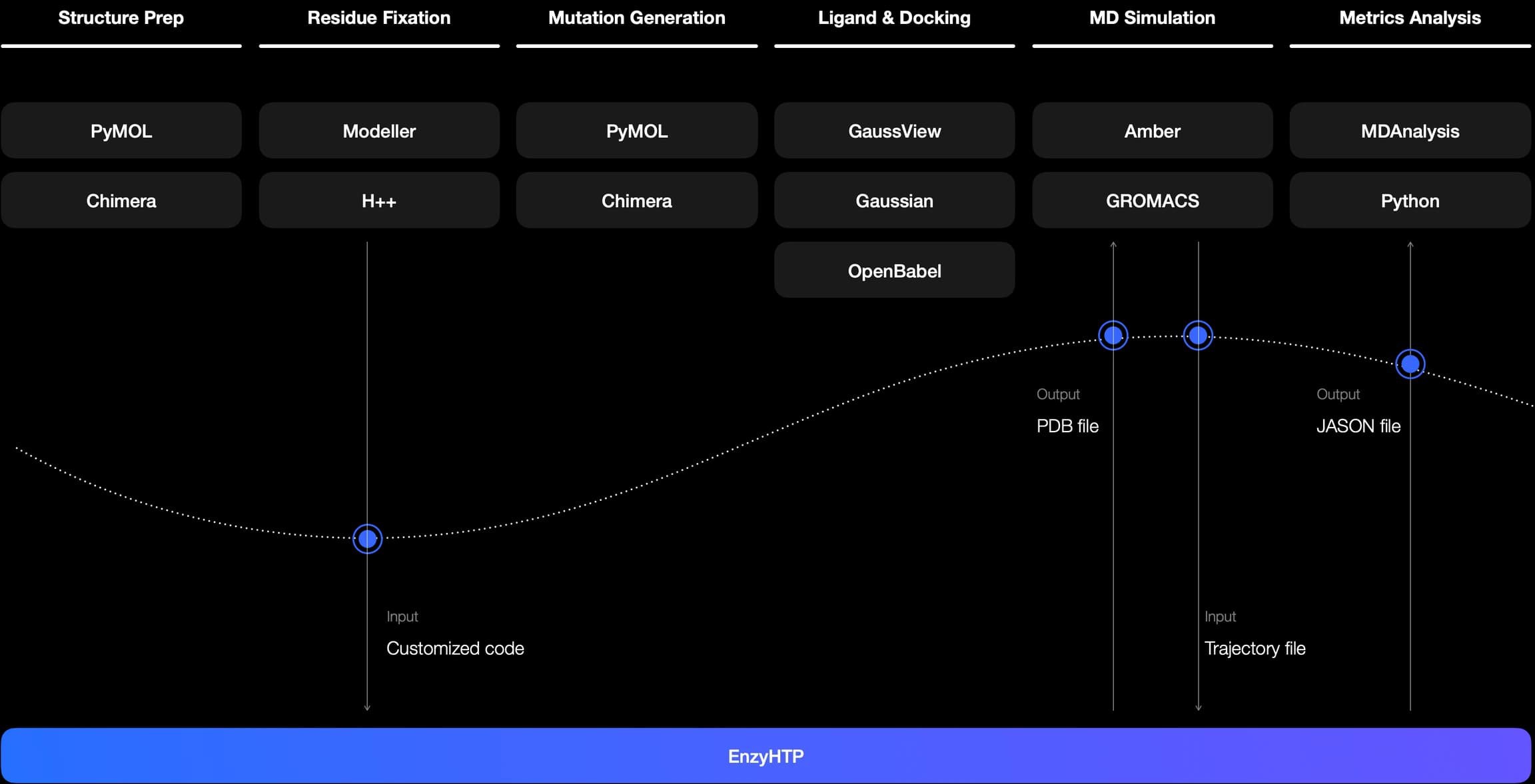
I identified steps where scientists already had trusted tools and didn't need AI to take over. I designed clear exit and re-entry points so they could use their own tools, then return without losing workflow context.
I identified steps where scientists already had trusted tools and didn't need AI to take over. I designed clear exit and re-entry points so they could use their own tools, then return without losing workflow context.
Instead of replacing expert workflows, I made the system modular, letting scientists combine default workflows or plug in their own code when needed.
Story 3
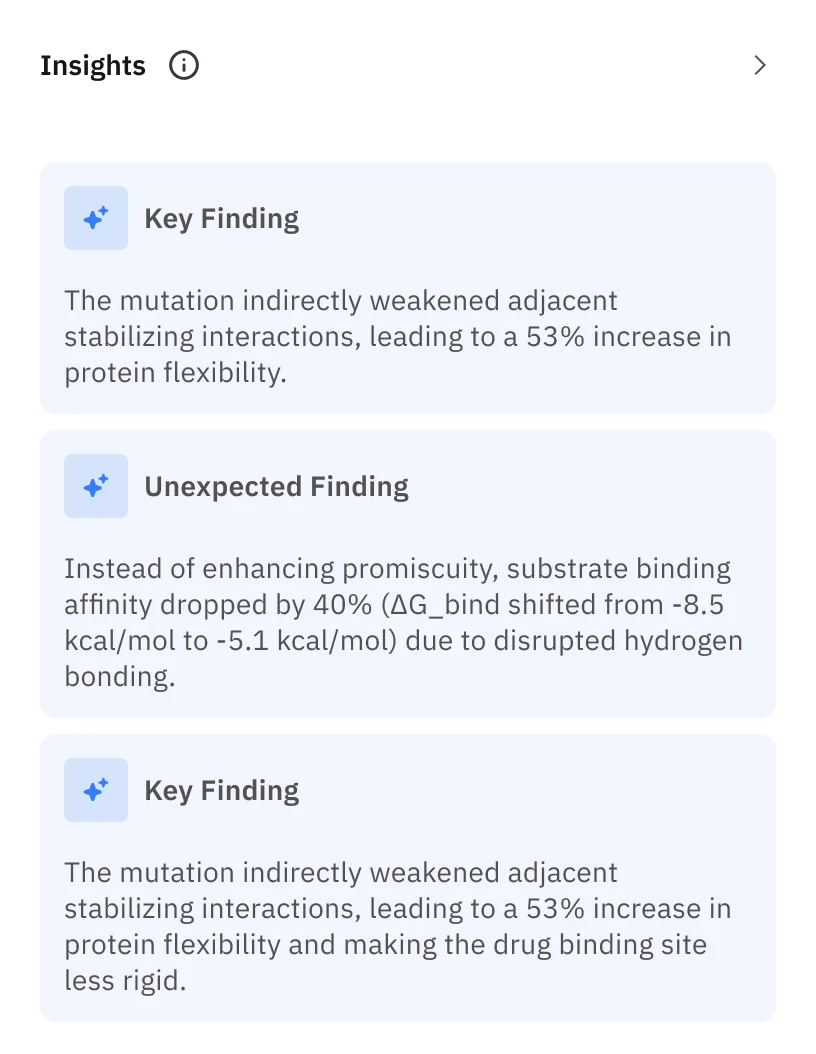
I realized that in scientific research, an unexpected result isn't always a failure. Instead of automatically blocking anomalies, I designed the system to distinguish true errors from results worth exploring, giving scientists the choice to investigate and continue.
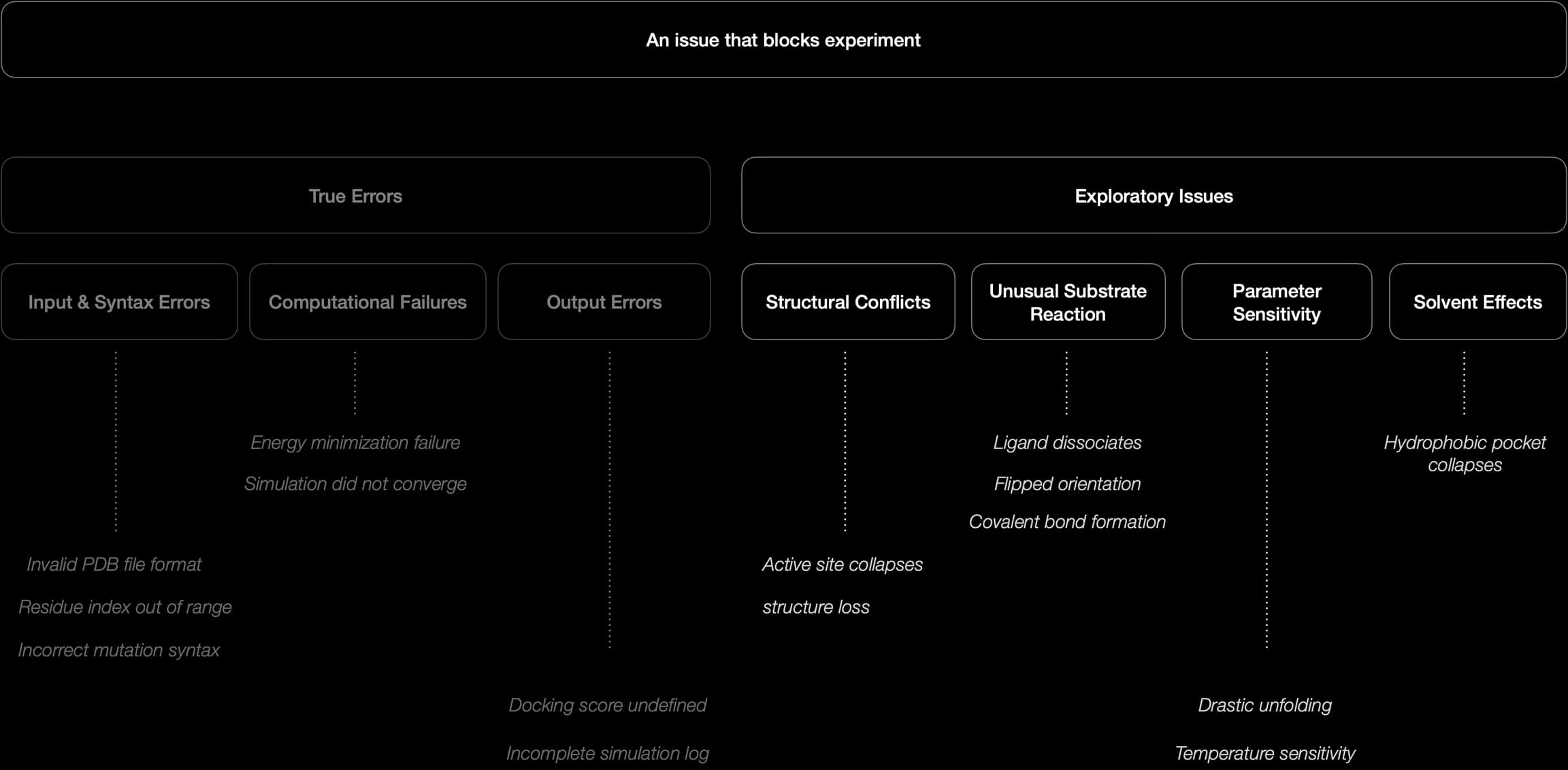
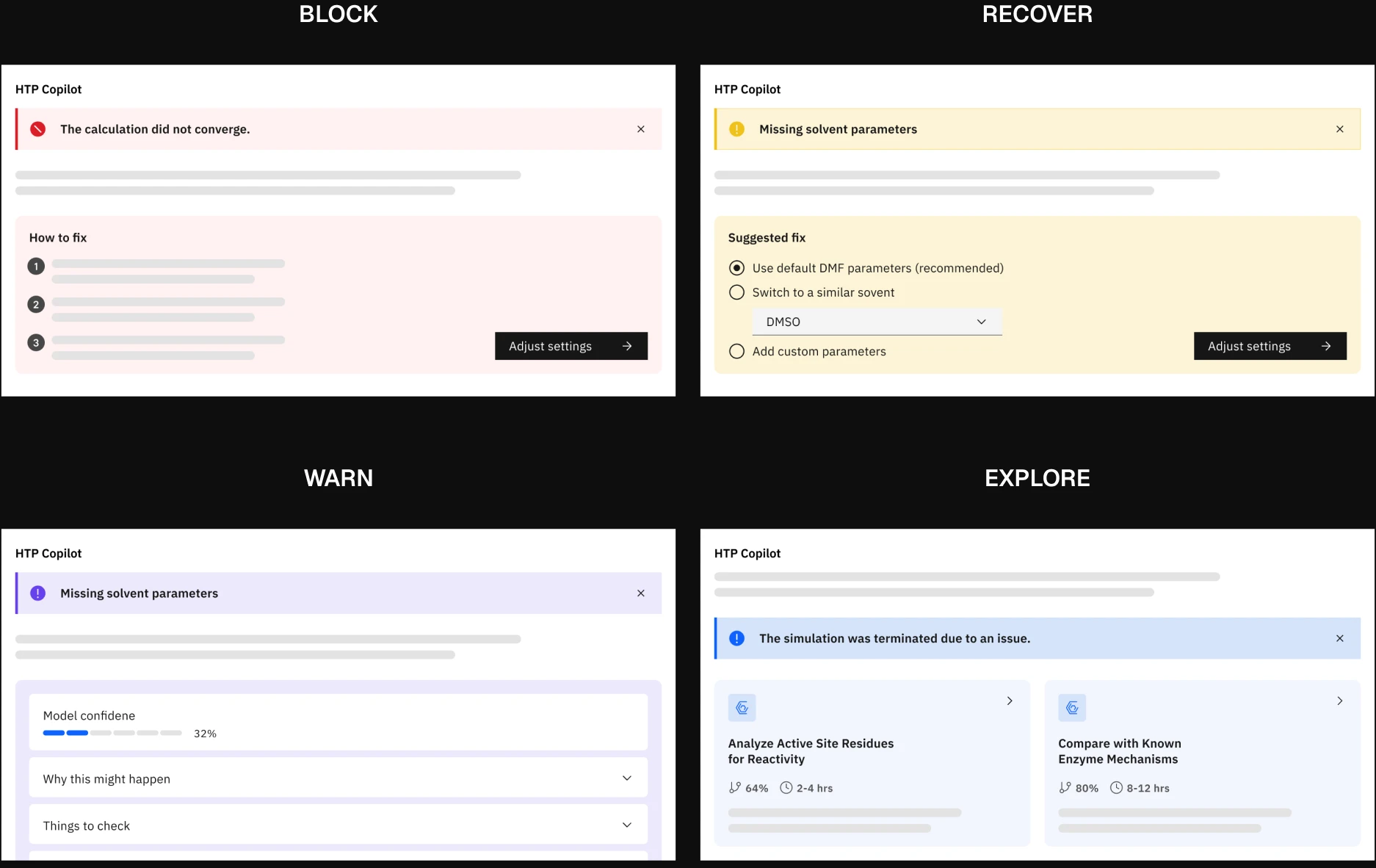
Unexpected outcomes were treated as errors, immediately warning scientists that something had gone wrong.
Unexpected outcomes were treated as errors, immediately warning scientists that something had gone wrong.
I replaced the binary error state with an exploratory path, giving scientists the option to investigate, bookmark, or continue when an anomaly could lead to discovery.
~5×
Faster research
Helped scientists run enzyme-engineering research about five times faster.
Nature
Computational Science
Contributed to a paper accepted by Nature Computational Science, with me as a co-author.
$50K
NSF I-Corps grant
Ranked among the top teams in Vanderbilt's Builder cohort and recommended for the NSF National I-Corps program and its customer-discovery grant.
Better AI isn’t about more autonomy. It’s about the right autonomy for the situation.
Mutexa changed how I think about AI. I started by asking how much of the scientific workflow we could automate, but the stronger model was knowing when AI should lead, when it should assist, and when uncertainty should stay with the scientist. Sometimes the more intelligent behavior is knowing when not to take control.
